How did Edara maintain operational stability for Gabriel, an authorized Elsewedy distributor?
3 Reading minutes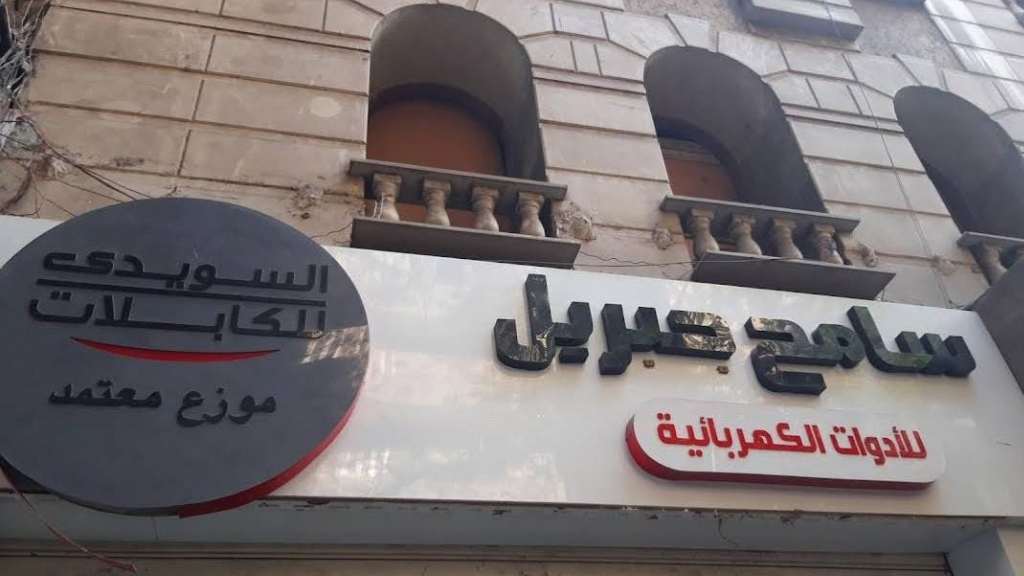
In Downtown Cairo’s electrical market, work rarely follows a steady rhythm. The pace is constant, customers move in and out all day, retail sales overlap with wholesale orders and supply projects, and everything needs to be delivered without delay. In this environment, there is no room for trial and error. Every minute directly affects daily operations.
The real challenge here is not the variety of items or the size of the catalog, but the ability to respond quickly while maintaining accuracy. In a market that never waits, the system that can keep up with this pace, support fast-moving teams, and remain stable under pressure is what truly makes the difference.
A Trusted Presence in the Electrical Supply Market
“Gabriel” operates in the electrical supplies sector, covering everything related to electrical installations, from cables and fittings to electrical panels and project requirements. With a long-standing presence in Downtown Cairo’s electrical market, the company has built its reputation on consistency, reliability, and fast order fulfillment.
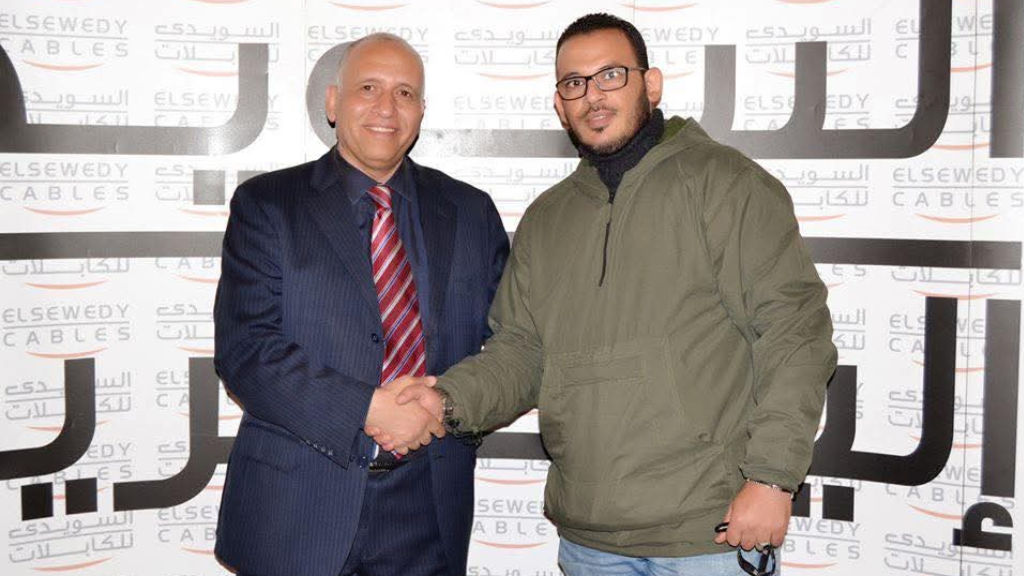
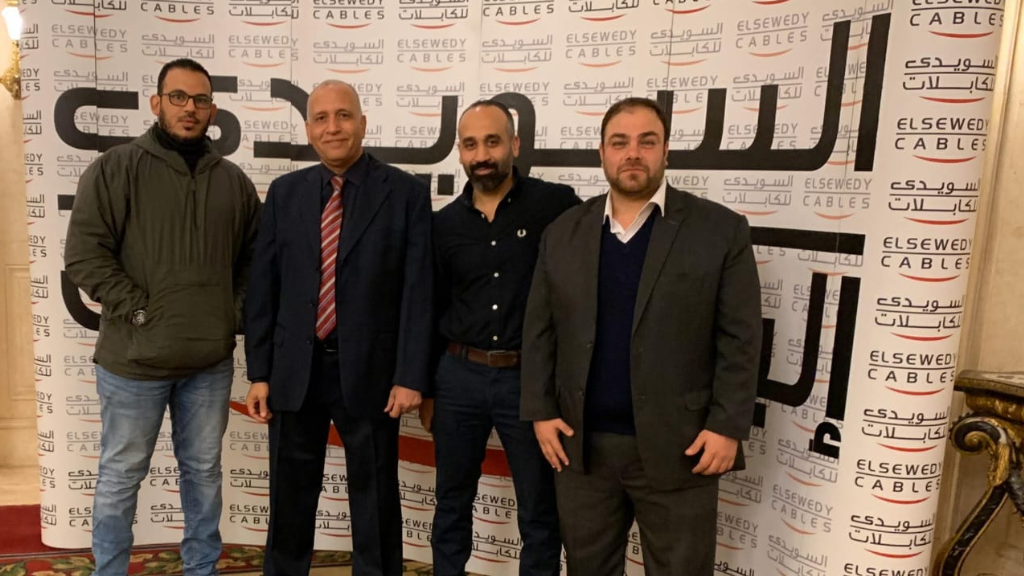
Being an authorized distributor for Elsewedy is a key trust factor in this market. The brand is closely associated with large-scale projects that demand precision, continuous availability, and uncompromising quality. With daily operations spanning retail sales, wholesale transactions, and supply contracts, maintaining this level of reliability requires a system that supports smooth operations without adding complexity or disruption.
Daily Operations Under Sales Pressure
Inside “Gabriel”’s branch, sales move at a fast pace throughout the day. Retail transactions demand immediate response, while wholesale and supply orders require closer tracking and longer execution and collection cycles. Managing these different sales models side by side creates constant operational pressure.
With a wide range of items and varying specifications, speed in issuing invoices, organizing payment methods, and tracking collections becomes critical. The challenge is not the diversity of sales types, but maintaining the same level of speed and accuracy regardless of order size or transaction type.
Accounting as Part of the Sales Decision
At “Gabriel”, accounting was never a back-office task reviewed after the sale. Customer balances, outstanding amounts, and collection timelines play a direct role in shaping each sales decision.
Account statements became a daily reference point, requiring a clear and reliable view of each customer’s financial position. As transaction volumes increased, the need for structured, easy-to-review financial data became essential to support decision-making and keep operations flowing without delays.
In this setup, accounting evolved from a final result into a core operational tool, helping maintain control, consistency, and continuity in daily sales activities.
Point of Sale Within a Unified System
To handle daily pressure inside the branch, “Gabriel” relies on point-of-sale operations to speed up direct sales, without isolating speed from financial control. Every sale processed through the POS is immediately reflected in accounting, trial balances, and income statements, with no extra steps or manual adjustments.
This integration removed the traditional gap between fast sales and accurate financial management. Invoices issued quickly at the counter are recorded with the same accuracy in financial reports at the same moment.
Here, speed is no longer associated with chaos or loss of control. Instead, it becomes a natural outcome of a system designed to handle high volumes without disrupting data or workflows.
Stable Operations That Support Growth
“Gabriel”’s continued reliance on Edara over an extended period reflects a practical need for a system that proves its reliability over time, not just a temporary solution. As the business expanded and transaction volumes grew, sales, accounting, imports, currencies, and cost allocation continued to operate within a single, integrated environment.
This consistency made it possible to track costs and financial results more clearly, while keeping daily operations simple and manageable. The goal was never to add layers of process, but to ensure the system could absorb growth without placing additional strain on the team.
When the System Matches the Market’s Pace
“Gabriel”’s experience shows that operating in a fast-moving, high-volume market leaves no room for short-term fixes or systems that slow daily work. Success in such an environment depends not only on product range or demand, but on having a system capable of responding quickly without sacrificing clarity or accuracy.
By maintaining this balance between speed and organization, operational continuity becomes a foundation for daily performance. In this context, the system works as part of the market’s movement itself, keeping pace with its rhythm and supporting the business smoothly, rather than standing in its way.
Related articles

How “Edara” Transformed Operations at “Home Art”?
Growth can hide problems. On the surface, everything at Home Art looked fine. Orders were coming in. Production was running. Reports were being generated. Each department was doing its job.…

How “Edara” Boosted “Right to Dream” Academy’s Success
Founded to facilitate young football talent, "Right to Dream" goes beyond sports training, combining soccer skills with education and leadership development to create well-rounded leaders. As Right to Dream expanded…

Faster, Smarter, Stronger: How PRO TECH Transformed Its Operations with Edara?
“PRO TECH” faced operational chaos with disconnected systems across branches. Employees struggled with basic tasks like checking inventory, requiring lengthy phone calls between locations, while generating customer reports meant navigating…