April 2026 Updates: Smarter Shopify Integration and Greater Control Over Your Data
2 Reading minutes
In April 2026, we introduced a set of improvements designed to give you more control over your data and system interface, along with a more refined and reliable Shopify integration experience.
In this article, we’ll walk you through the key enhancements.
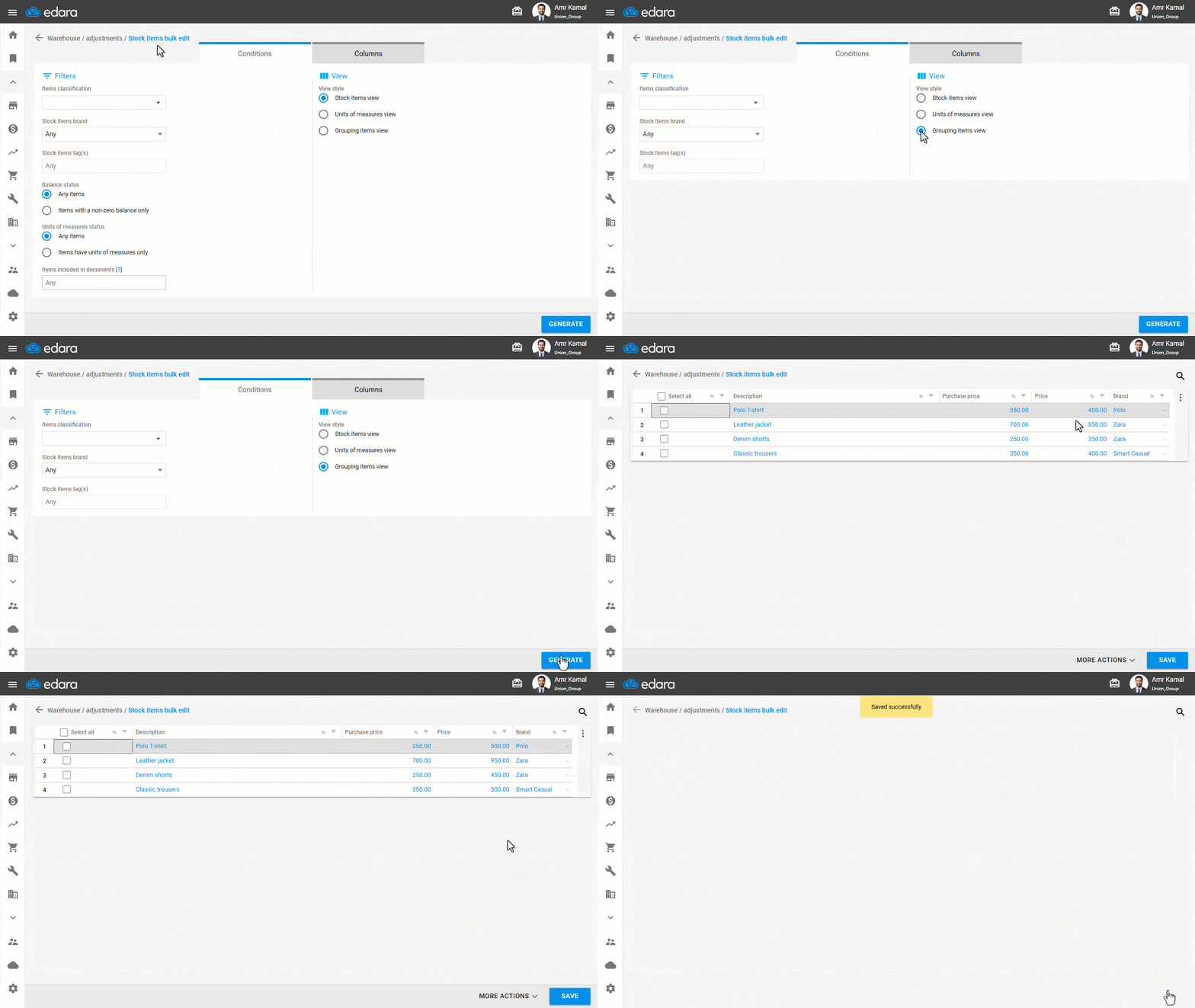
Bulk Editing Grouping Items
When you need to update the prices or details of a large number of related items, you can now edit grouping items in bulk, instead of updating each item individually.
For example, if you have a grouping item like “Men’s Shirt” that includes multiple sizes or colors, you can update the price once at the grouped item level, and the new price will be automatically applied to all its sub-items.
This makes price management easier, saves time, and ensures data consistency across all related items.
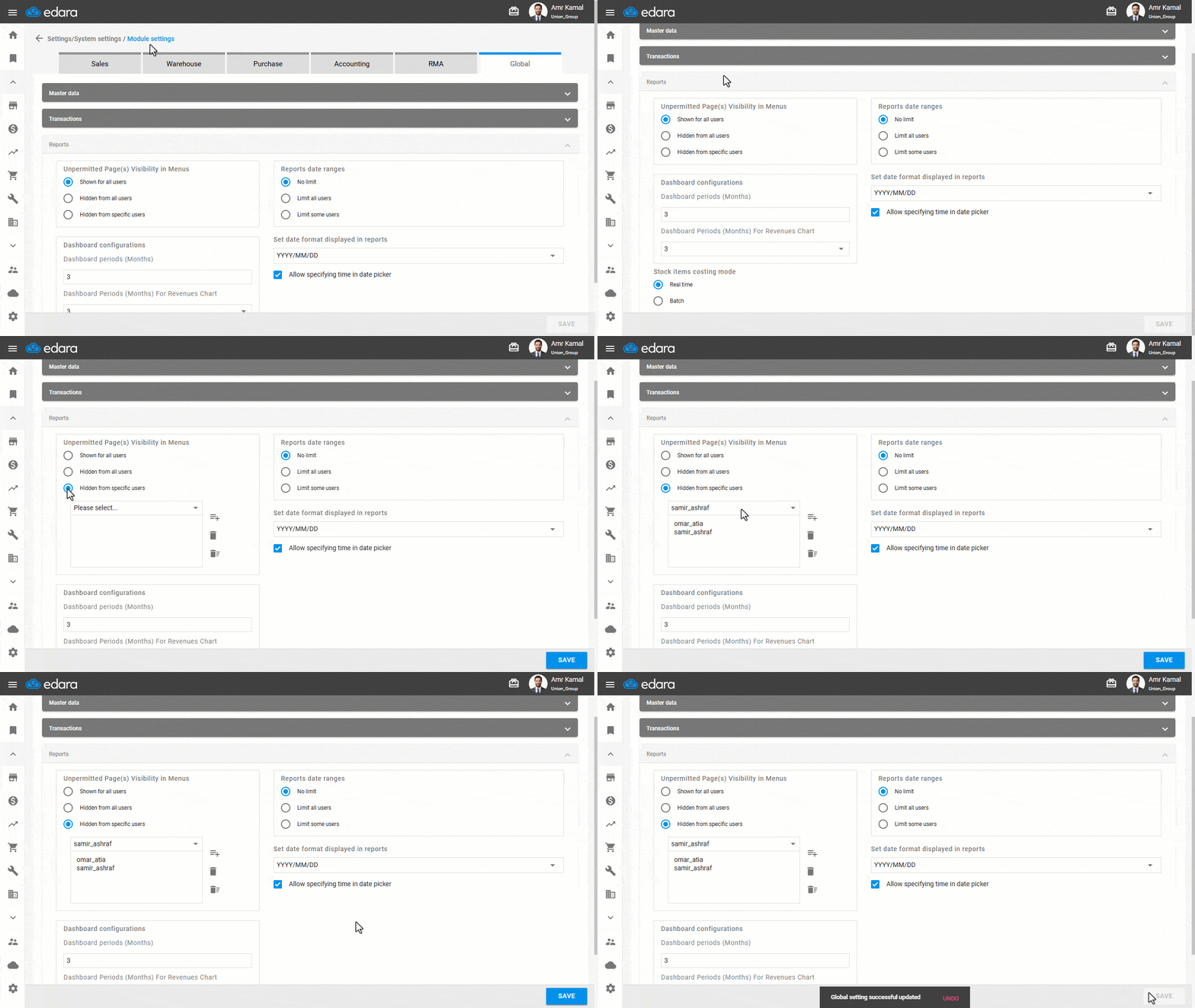
Controlling the Unpermitted Pages Visibility in Menus
You can control how unpermitted pages appear in menus, either by hiding them from all users or specific users or showing them without allowing access to unpermitted users.
This helps you organize the interface, reduce distractions, and have control over what each user can see.
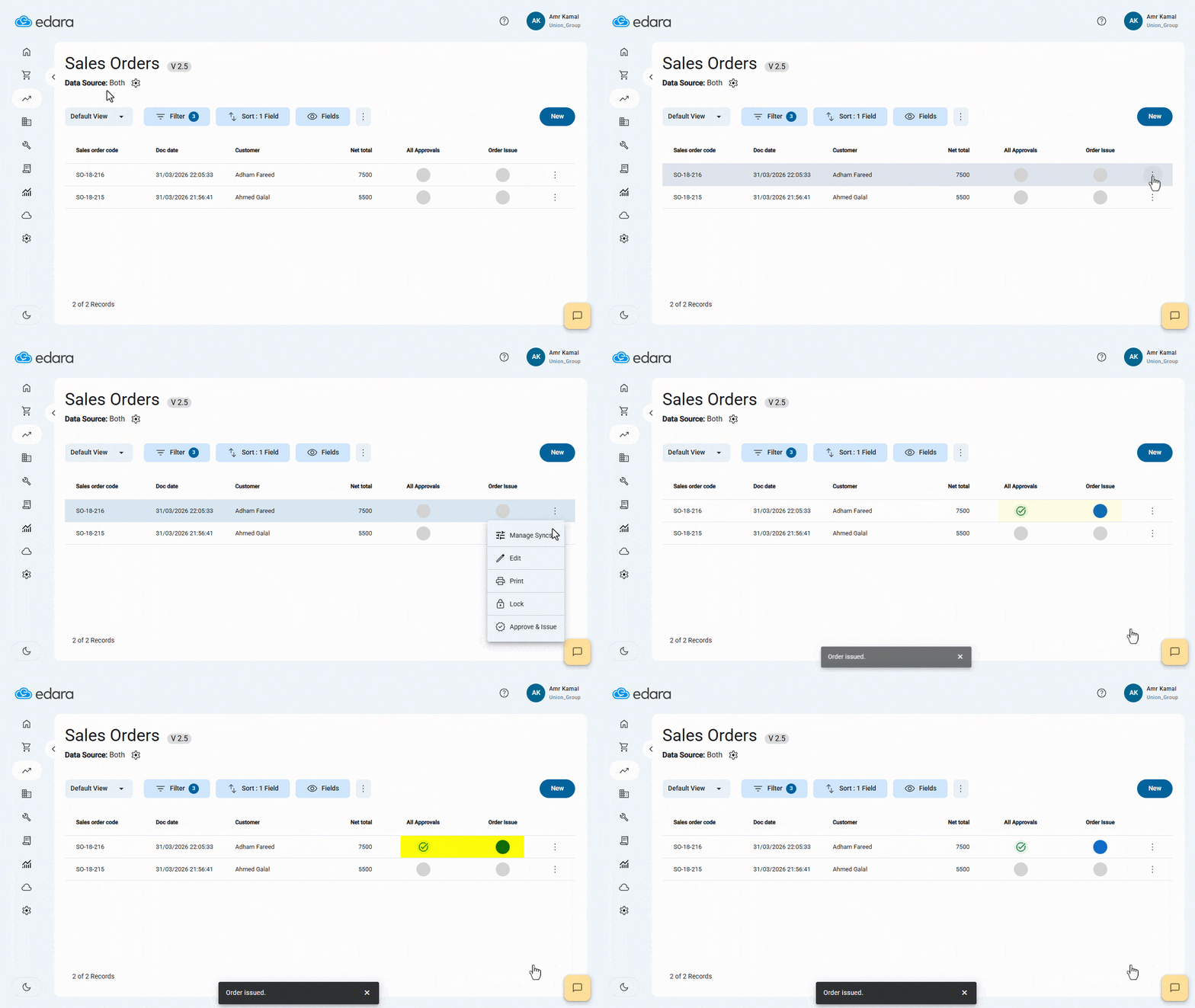
Approving and Issuing Sales Orders from POS
When processing sales orders, you can complete both approval and issuance directly from the POS to complete orders without switching to “Edara 2.0”.
This also enables you to complete orders that were not finalized due to internet connection issues by approving and issuing them from the POS.
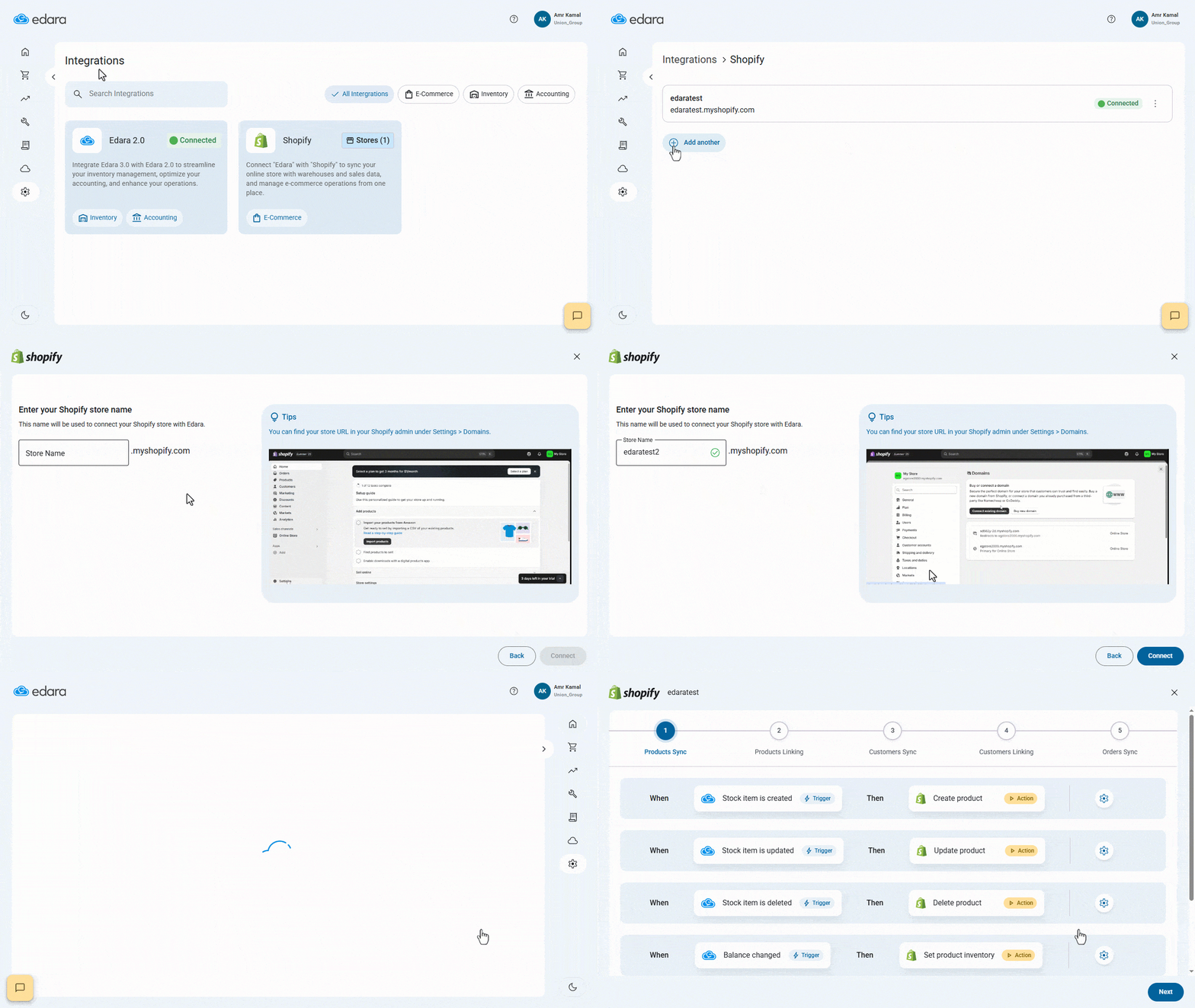
A New Version of the Shopify Integration
We’ve launched a new version of the Shopify integration, offering a smoother connection experience, more precise control over synchronization settings, and better visibility into operations and errors.
Here are some of the key improvements:
1- Manage Multiple Shopify Stores
If you run more than one Shopify store, you can now connect and manage them all through a single Edara account.
This allows you to centralize your operations, unify your data, and manage inventory and sales across all stores without switching between systems.
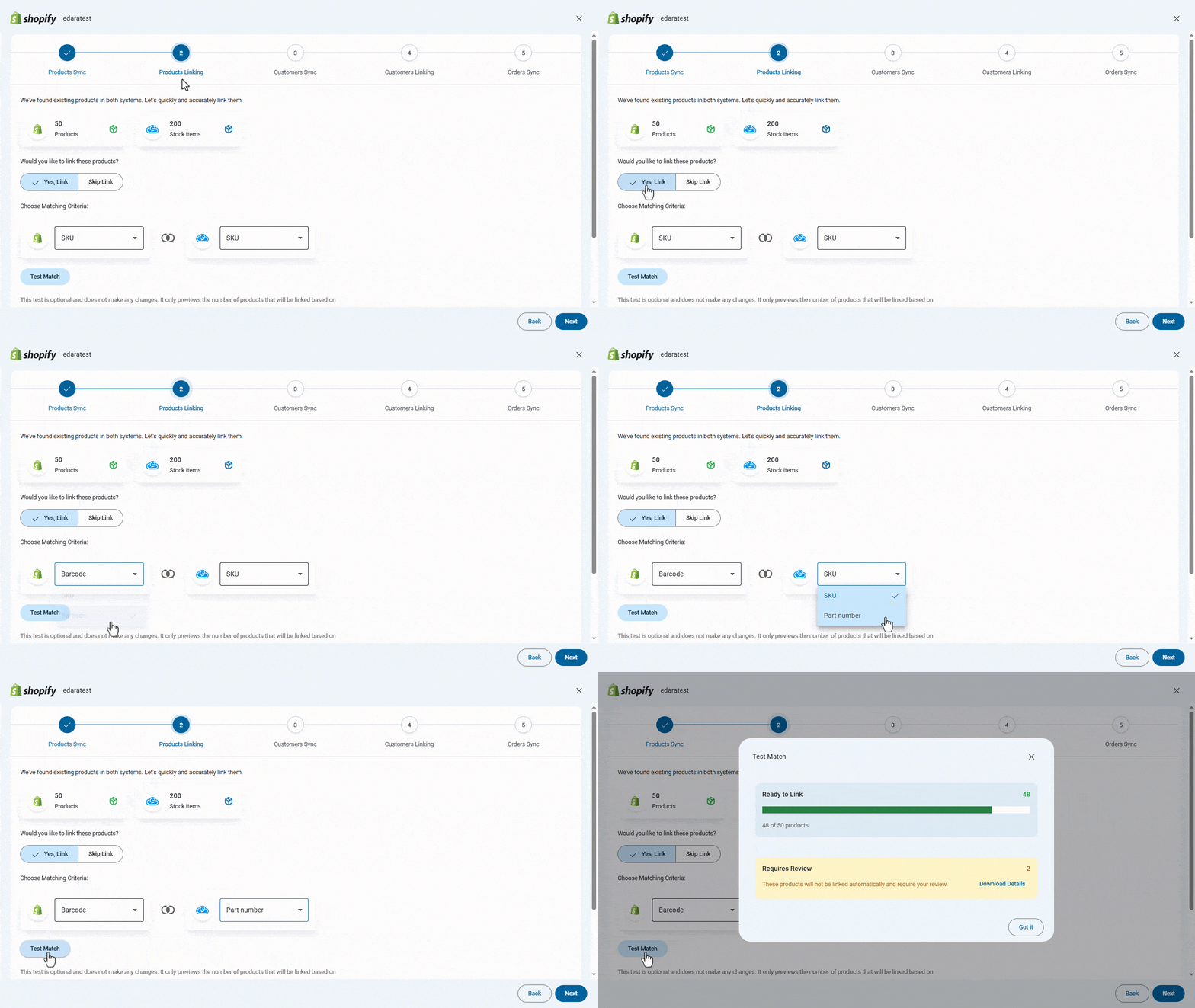
2- Improved Product and Customer Linking
Linking products and customers between Edara and Shopify is now more streamlined.
You can define matching criteria such as SKU or barcode for products, and email or phone number for customers, helping you unify records and avoid duplication.
You can also test your matching criteria before applying them, review unmatched records, and fix any inconsistencies before completing the process.
3- More Control Over Synchronization Settings
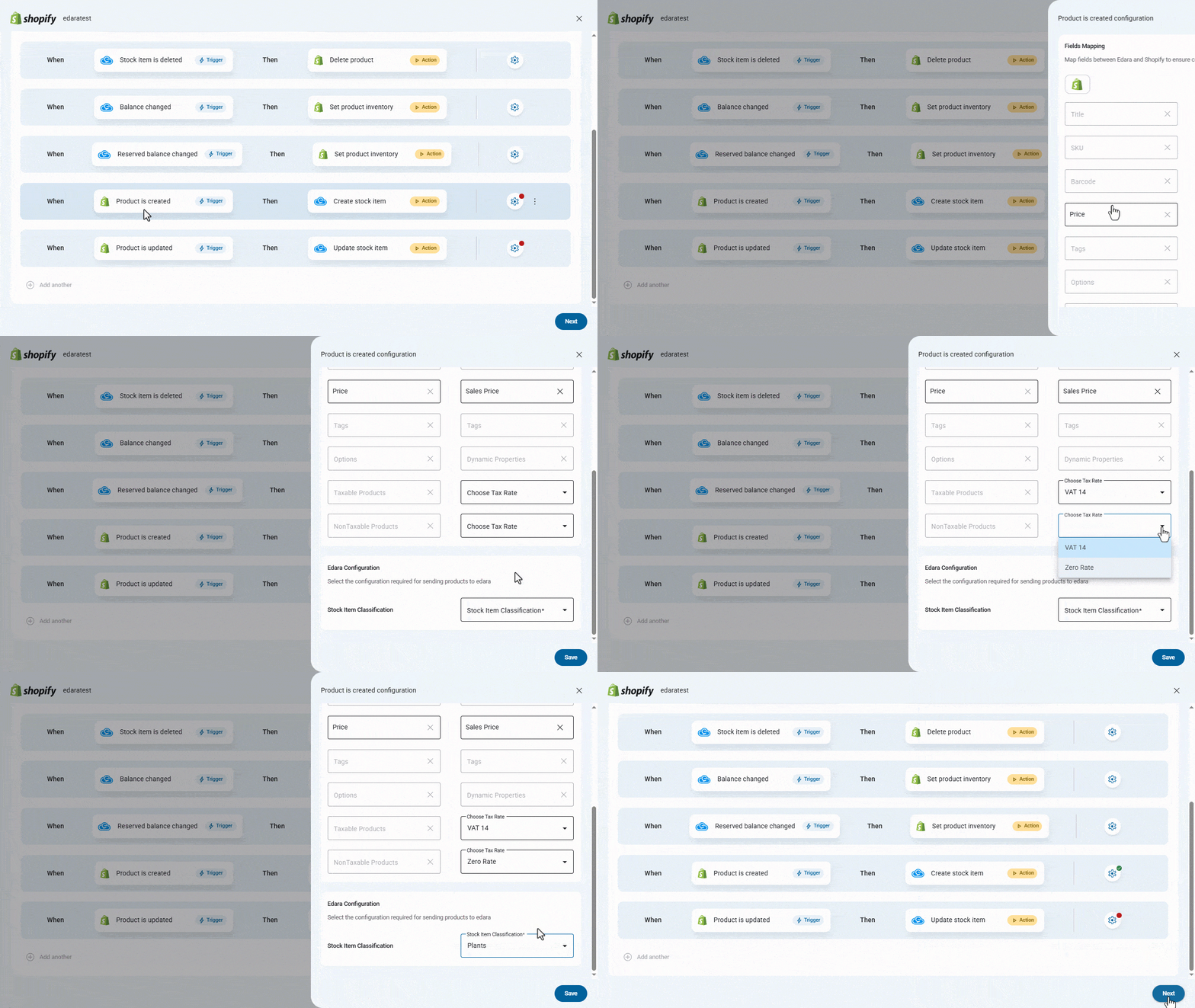
The new version gives you greater flexibility in managing how data flows between Edara and Shopify.
You can configure field mappings based on your business needs, including pricing, tax rates, and payment-related accounts, ensuring accurate and structured data handling.
4- Default Accounts for Payments
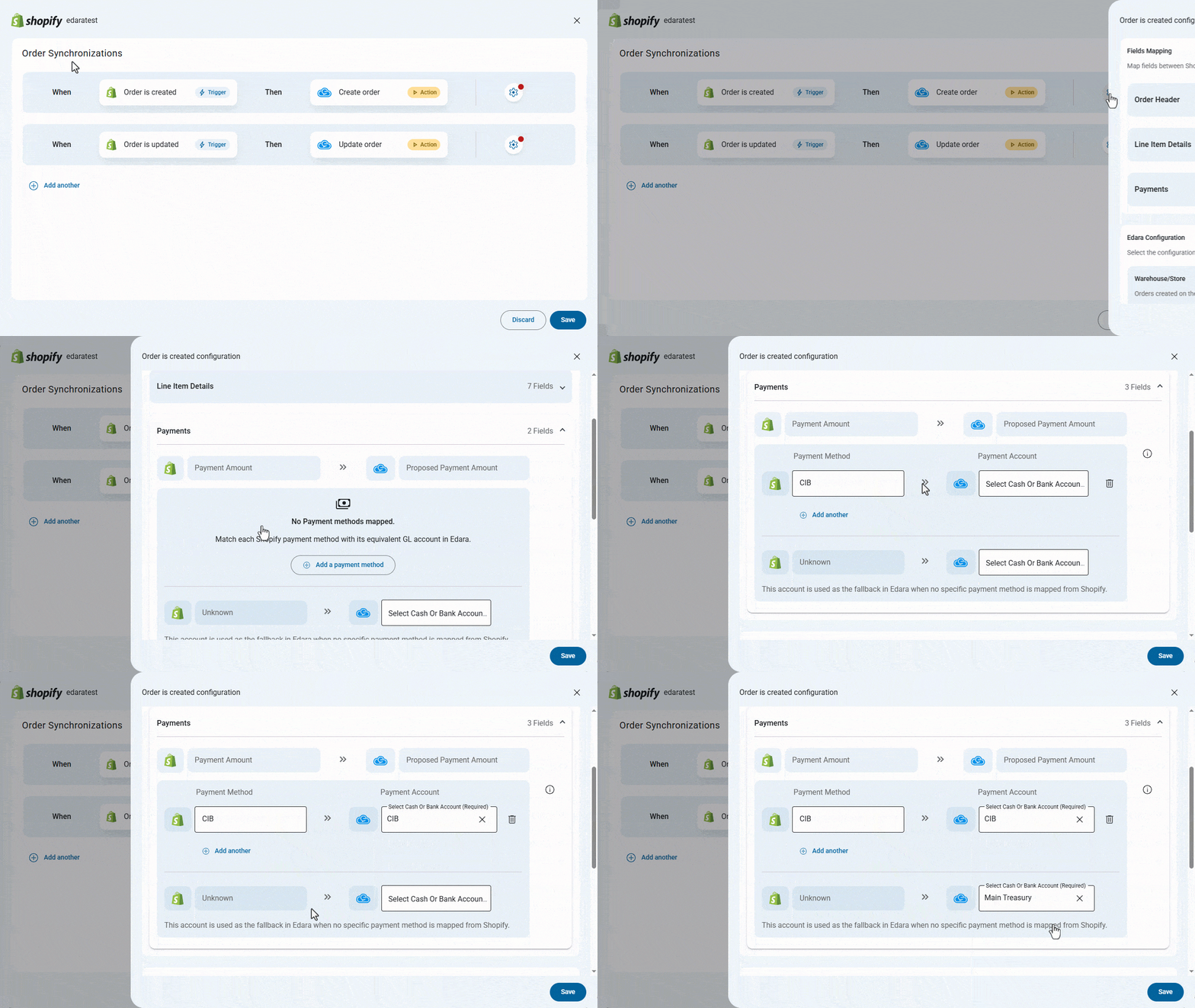
In normal scenarios, each payment method in Shopify is linked to a corresponding account in Edara.
If a payment method is missing or not configured properly, transactions will still be recorded automatically using a predefined default account.
This ensures uninterrupted financial recording, maintains data accuracy, and reduces the need for manual adjustments.
That was all for Edara’s April 2026 updates, and our improvements are still ongoing.
Related articles

September 2026 Updates: Better Management of Sales, Customers, and Data
September 2026 brings new Extensions to Edara that help you strengthen customer relationships and better organize your sales team’s work, along with improvements that give you more flexibility when importing…

June 2021 Updates: Enhancing Efficiency with Edara’s Features
In June 2021, Edara rolled out a series of updates aimed at enhancing the user experience and functionality. With a commitment to continuous improvement, Edara introduced several new features and…

December 2021 Updates: More than 10 Features Improve Your Work
For companies utilizing cloud-based Enterprise Resource Planning (ERP) systems like Edara, monthly updates serve as crucial milestones in enhancing functionality, improving user experience, and ensuring compliance with industry standards. The…