From Import to Sale: How “Ouda Store” Manages Surveillance Camera Operations with “Edara”
3 Reading minutes
In the surveillance camera business, an item’s journey does not begin when it is sold. It starts much earlier.
Products arrive through import shipments, their costs are calculated, they are added to inventory, and they may later move from the main warehouse to one of the branches before being sold to a wholesale or retail customer.
At each stage, management needs clear answers: What is the item’s cost? Where is it now? Which branch received it? And how is this movement reflected in inventory and accounting?
This is where the experience of “Ouda Store” with “Edara” begins, a business that sells surveillance cameras and other imported items, and needs a system that connects import operations, inventory, serial numbers, branches, and accounting within one operational cycle.
“Ouda Store”: A Business Built Around Detailed Items
“Ouda Store” operates in the surveillance camera market, along with other imported items.
The nature of these products makes their management more detailed than simple stock counting. Each item may involve a cost, a serial number, a specific inventory location, and movement between the main warehouse and branches.
With multiple branches, accurate data becomes an essential part of daily operations. Management needs to know what items are available, where they are located, and how their movement affects accounting.
From Import to Inventory: Clearer Cost for Each Item
For many items at “Ouda Store”, the journey starts with import operations. In this case, knowing the purchase price alone is not enough, because the actual cost may also include shipping, customs, and other expenses related to receiving the goods.
With “Edara”, import costs can be handled and linked to the related items in inventory, giving the business a more accurate view of item cost before sale.
This is especially important for businesses that deal with imported items, as cost accuracy affects pricing, profitability, and future purchasing decisions.
Once costs are recorded and items enter inventory, the next stage begins: item movement between the main warehouse and branches.
Serial Numbers and Item Movement Across Branches
In products such as surveillance cameras, items may look similar or share close specifications. Serial numbers help distinguish one item from another when needed.
With “Edara”, each item can be linked to its serial number inside inventory, then followed as it moves from the main warehouse to branches and eventually leaves inventory through a sale.
With multiple branches, inventory transfers help organize item movement based on each branch’s needs, while keeping stock balances clear in every location.
This turns item movement from a simple quantity increase or decrease into a clear operation inside the system, making it easier to review, handle warranty cases, or verify item data when needed.
Wholesale and Retail Sales Within the Same Operational Cycle
After items enter inventory and move to the right branch, the sales stage begins. This stage differs depending on the type of customer.
“Ouda Store” manages both wholesale and retail sales, and each type has its own pricing, customer handling, and follow-up requirements.
With “Edara”, these sales operations can be managed within the same system, while keeping customer data, prices, and inventory movement clear.
This helps reduce overlap between sales types and connects each transaction to its impact on inventory and accounting, whether it takes place inside a branch or through a wholesale sales cycle.

Reading Branch Performance Through Cost Centers
Once the item’s cycle is complete, from import to sale, management needs to understand how these operations affect each branch.
With multiple branches, total sales alone are not enough. Management needs to review each branch’s revenue, expenses, and results independently.
Through cost centers in “Edara”, operations can be linked to each branch, giving management a clearer view of performance.
The income statement for each branch also helps review profitability, compare results, and make clearer decisions about inventory, sales, and item distribution.
Conclusion: A Clear Cycle from Cost to Sale
The experience of “Ouda Store” shows that managing a surveillance camera business is not only about recording sales. It requires a clear cycle for each item, from entering inventory to being sold.
By organizing import costs, linking serial numbers with item movement, tracking inventory across branches, and reading branch performance through cost centers, management gains a more complete view of operations.
With all these details managed in one system, item movement becomes part of a clear operational cycle, helping the business manage its operations with more confidence.
Related articles

Managing Online Stores Across Multiple Markets: Adrian with Edara
When a customer places an order online, the challenge is not only about recording that order. Behind the scenes, stock needs to be updated, the required quantity must be reserved,…

How Edara Helped Street Wear Scale with Ease
Imagine a fast-growing fashion brand with branches across multiple cities, each one operating in a vacuum. Sales reports are scattered, inventory levels are disconnected, and the team is forced to…
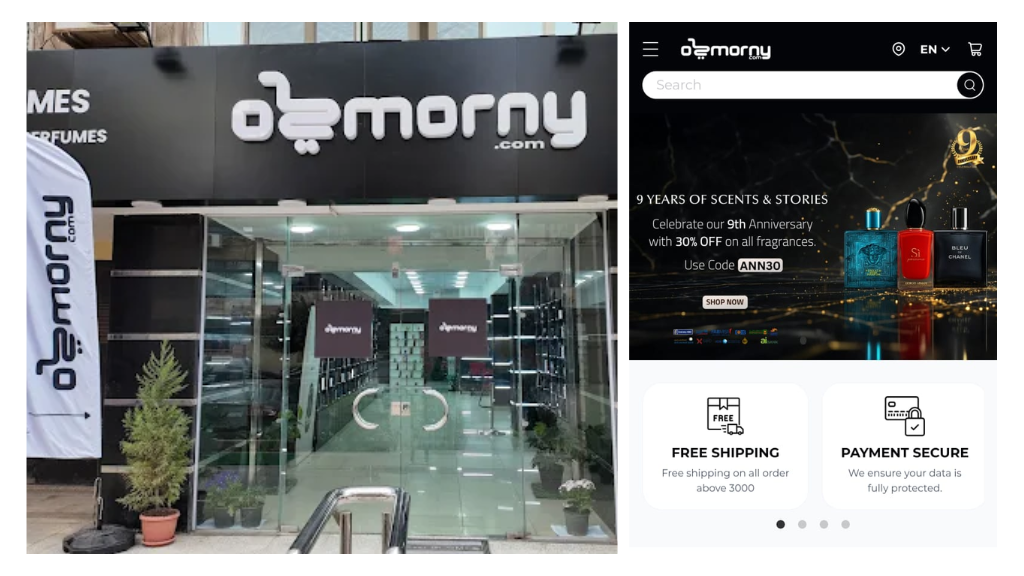
O2morny & Edara: Connected Operations Across Sales Channels
At the end of a busy workday, orders start piling up from different channels, one from the website, another from a marketplace, and a third from social media. Each order…